
About CNshopper Spreadsheet
Click the images below to browse!
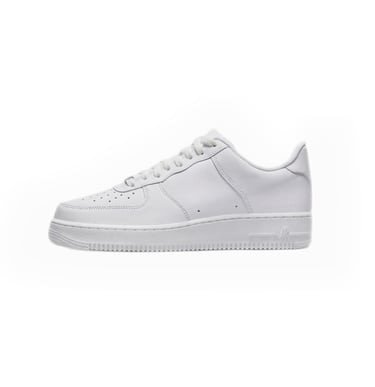
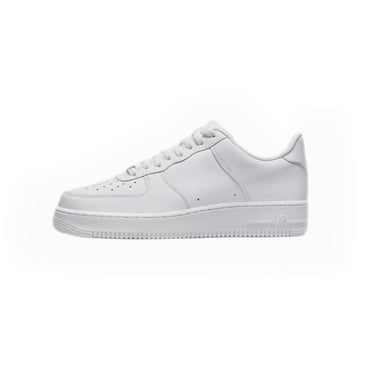
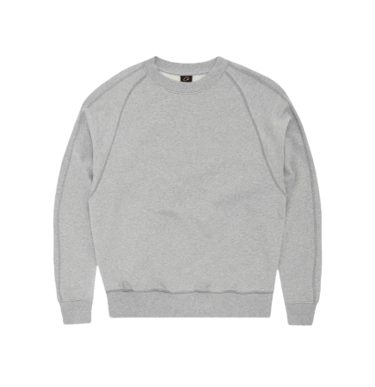
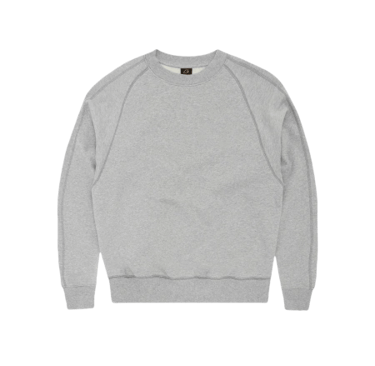
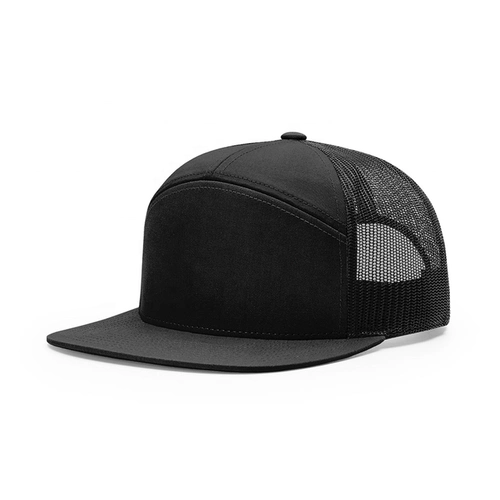
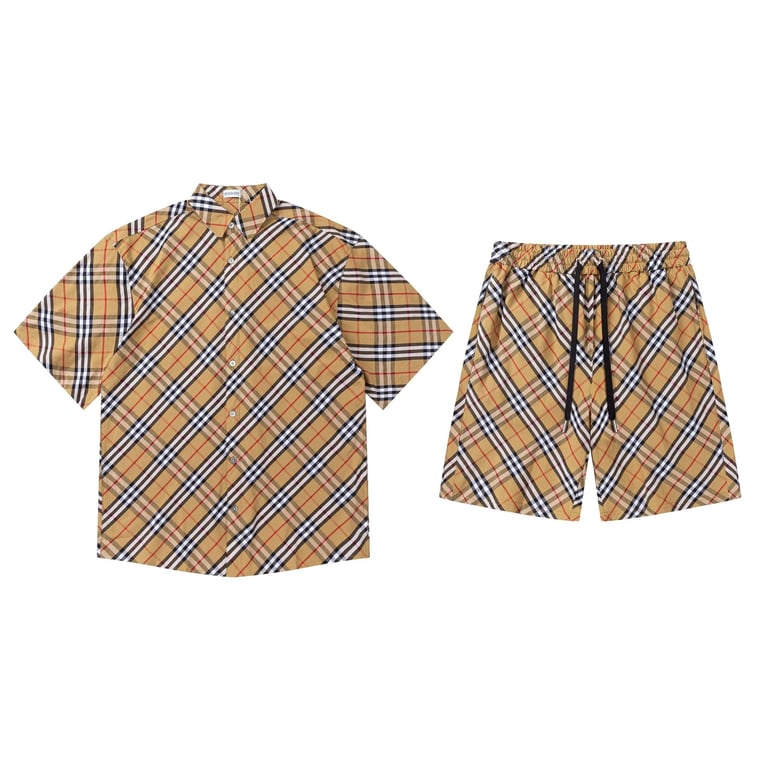
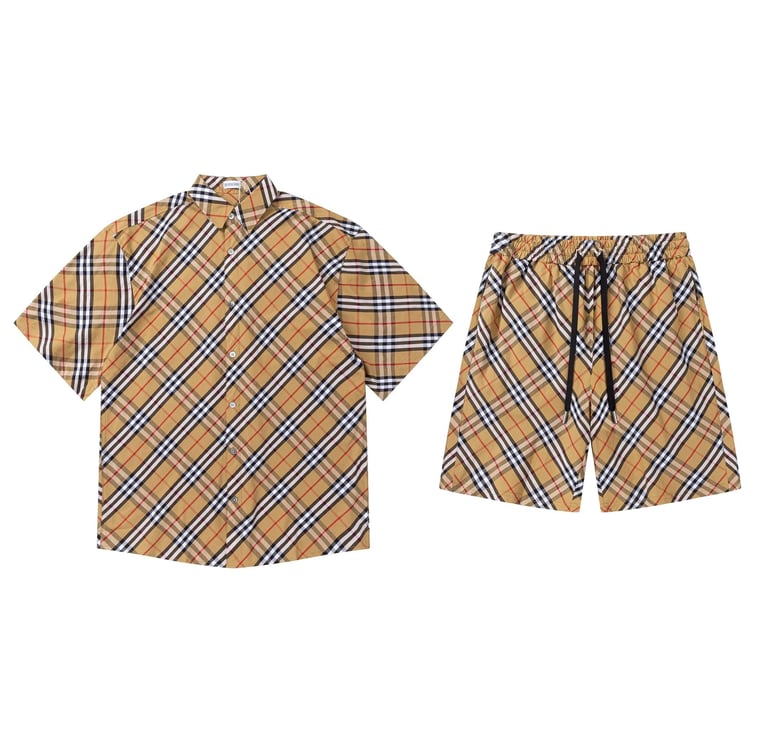
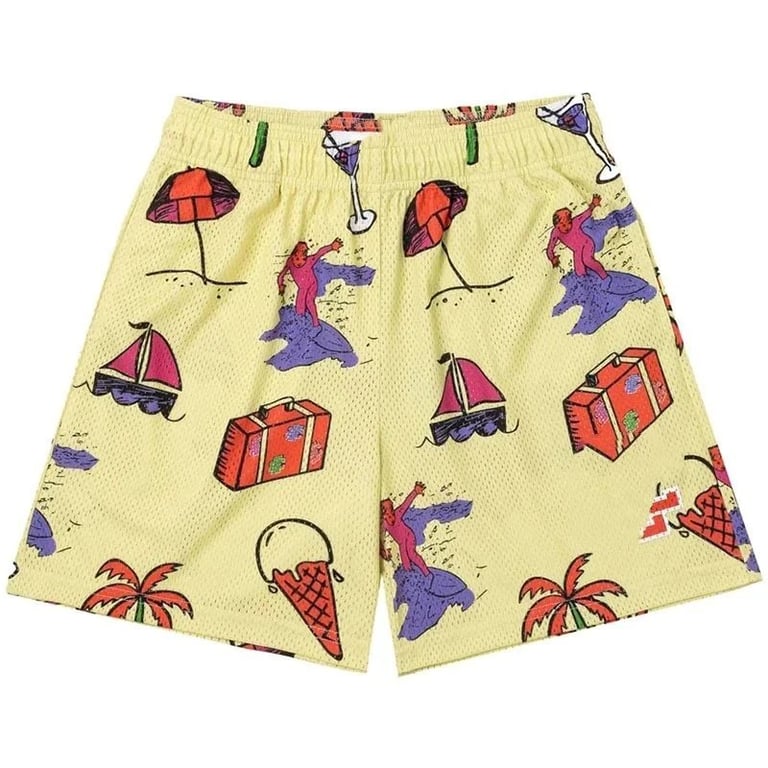
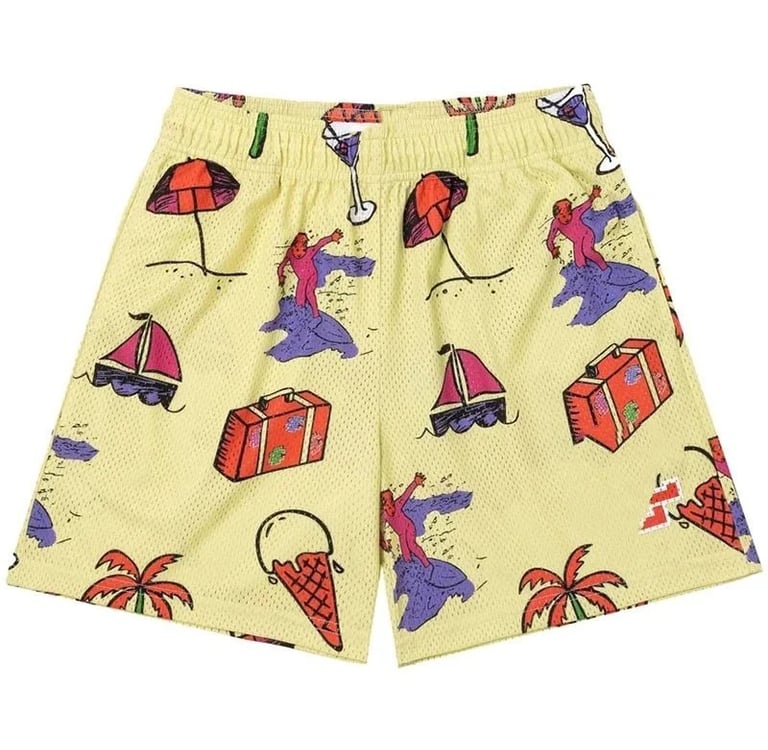
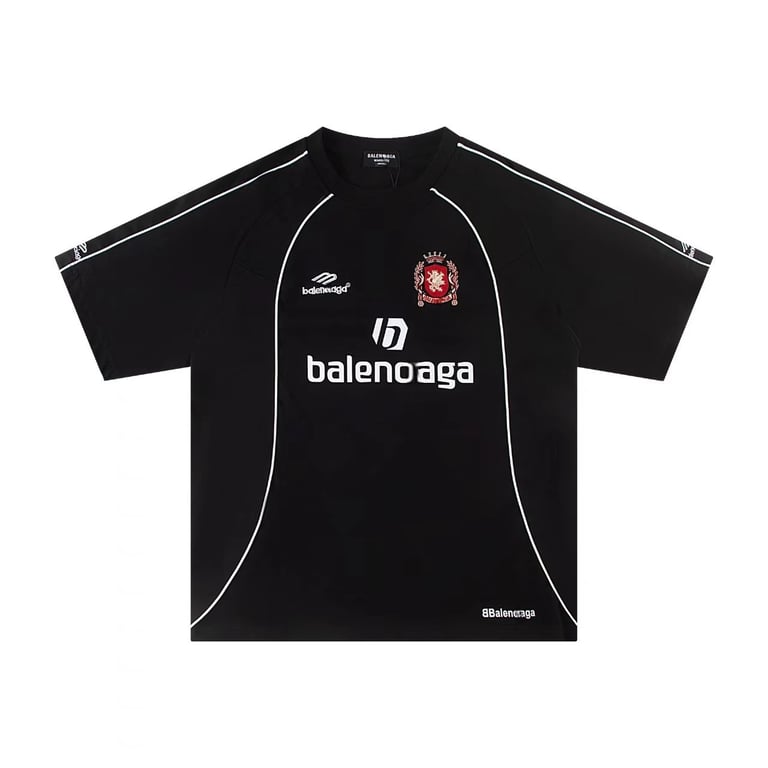
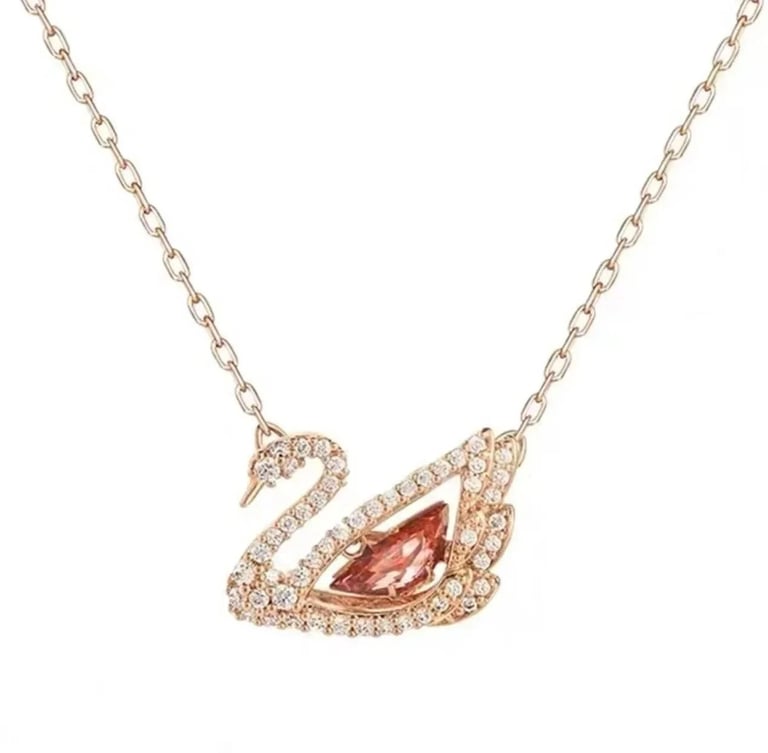
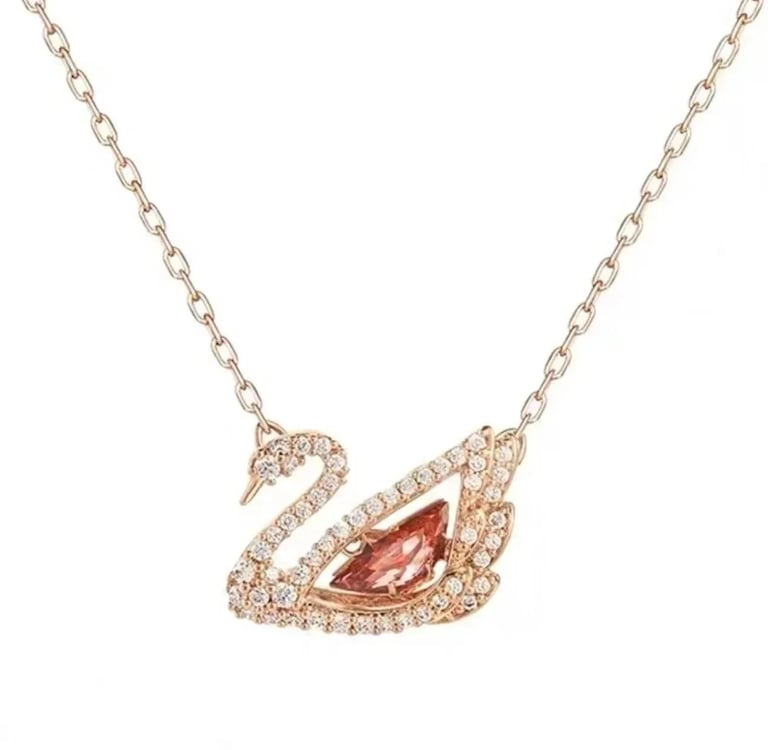
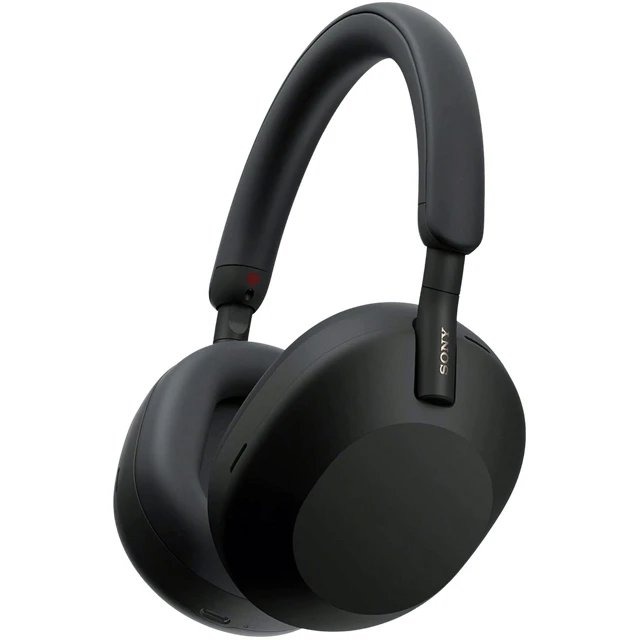
Best-selling product categories on CNshopper spreadsheet
In cross-border ecommerce, identifying best-selling categories is often more valuable than focusing on individual products. Products change quickly, but categories reveal stable demand patterns, supplier behavior, and scalable sourcing opportunities. Sellers who understand category-level dynamics can consistently find profitable items even as trends evolve.
The Cnshopper spreadsheet is structured not only to list products but also to reveal category-level performance signals. By aggregating supplier data, variation trends, and repetition patterns, it helps users identify which product groups consistently perform well across global markets.
This article explains the best-selling product categories inside the Cnshopper spreadsheet system and how these categories are formed through real sourcing logic rather than surface-level popularity.
Understanding “best-selling categories” in CNshopper system
In the Cnshopper spreadsheet, best-selling categories are not defined purely by sales charts or external rankings. Instead, they are identified through supply-chain behavior and repeated product performance signals.
A category is considered best-selling when it shows:
High frequency of product listings across multiple suppliers
Continuous variation expansion within the category
Stable pricing structures despite high turnover
Consistent reappearance in updated spreadsheet entries
This approach focuses on structural demand rather than temporary hype, making category insights more reliable for sourcing decisions.
1. Home and daily utility products
One of the strongest performing categories in the Cnshopper spreadsheet is home and daily utility products.
This category includes:
Storage tools and organization items
Kitchen accessories and small appliances
Cleaning and household maintenance tools
Everyday functional lifestyle products
These items perform well because they have:
Continuous daily usage demand
Low replacement barriers
High compatibility across global markets
Stable supplier production lines
From a sourcing perspective, utility products are attractive because they maintain consistent demand even when trends fluctuate.
2. Fashion and fast-moving apparel items
Fashion remains one of the most dynamic categories in the Cnshopper spreadsheet.
This category includes:
Seasonal clothing items
Basic apparel with trend variations
Accessories such as bags, hats, and jewelry
Style-driven micro-trend clothing sets
Fashion products become best-selling due to:
Rapid trend cycles driven by social platforms
High variation frequency (colors, cuts, materials)
Supplier replication of trending designs
Continuous category refresh cycles
However, fashion also requires faster decision-making due to short product lifespans.
3. Small electronics and gadget accessories
Another strong category inside the Cnshopper spreadsheet is small electronics and gadget accessories.
This includes:
Mobile accessories (chargers, cables, holders)
Smart device add-ons
Small wearable gadgets
Functional electronic peripherals
These products perform well because:
They are lightweight and easy to ship
They have high repeat purchase behavior
They are compatible across global device ecosystems
Suppliers frequently introduce updated versions
This category often shows strong repetition signals across multiple suppliers, making it easy to identify scalable products.
4. Lifestyle and personal care products
Lifestyle products form a stable and continuously growing category in the Cnshopper spreadsheet system.
This includes:
Personal care tools
Self-care and wellness accessories
Travel convenience items
Daily comfort-enhancing products
These products succeed because they align with:
Long-term consumer behavior trends
Low entry cost and high accessibility
Emotional and functional purchase motivation
Broad demographic applicability
Unlike trend-driven categories, lifestyle products often show steady performance rather than sharp spikes.
5. Pet-related products
Pet products are an increasingly strong category in the Cnshopper spreadsheet, driven by global growth in pet ownership.
This category includes:
Pet feeding accessories
Grooming tools
Toys and enrichment products
Basic care supplies
Pet products perform well due to:
High emotional spending behavior
Repetitive purchase cycles
Expanding product variety from suppliers
Cross-market demand consistency
This category often shows strong variation expansion signals, indicating active supplier competition.
6. Seasonal and event-driven products
Seasonal products are another important category in the Cnshopper spreadsheet.
This includes:
Holiday decorations
Event-based accessories
Festival-related lifestyle goods
Temporary themed products
These products are highly time-sensitive and often show:
Rapid listing spikes before seasonal peaks
Short but intense demand cycles
High variation creativity from suppliers
While not always stable long-term, they can generate strong short-term performance when timed correctly.
How Cnshopper spreadsheet identifies category strength
The Cnshopper spreadsheet does not rank categories based on popularity alone. Instead, it evaluates category strength using:
Supplier repetition density
Variation growth speed within category
Pricing stability across listings
Update frequency signals
Cross-supplier product overlap
These metrics help determine whether a category is structurally strong or only temporarily active.
Using category insights for sourcing strategy
Understanding best-selling categories is only useful when applied correctly.
In practice, users can:
Focus sourcing efforts on stable categories like home and utility products
Use fashion categories for fast-turnover opportunities
Leverage electronics for scalable global demand
Combine lifestyle and pet categories for long-term consistency
This category-based approach reduces risk compared to random product selection.
Common mistakes in category-based sourcing
Many users misunderstand category-level strategy:
Focusing only on viral products instead of category trends
Overweighting short-term spikes in fashion or seasonal items
Ignoring stable utility product categories
Treating all categories with the same sourcing strategy
Skipping spreadsheet-level structural signals
Avoiding these mistakes is essential for building a sustainable sourcing system.
Conclusion
The Cnshopper spreadsheet reveals best-selling product categories by analyzing supplier behavior, variation patterns, and structural demand signals rather than relying on surface-level rankings. Categories such as home utilities, fashion, electronics, lifestyle goods, pet products, and seasonal items consistently emerge as high-performing groups.
When used correctly, category-level analysis allows sellers to move beyond individual product hunting and build a scalable, data-driven sourcing strategy that adapts to global ecommerce dynamics.