
CNshopper Finds
Spreadsheet
OVER 5000+
WITH QC PHOTOS
Click the images below to browse!






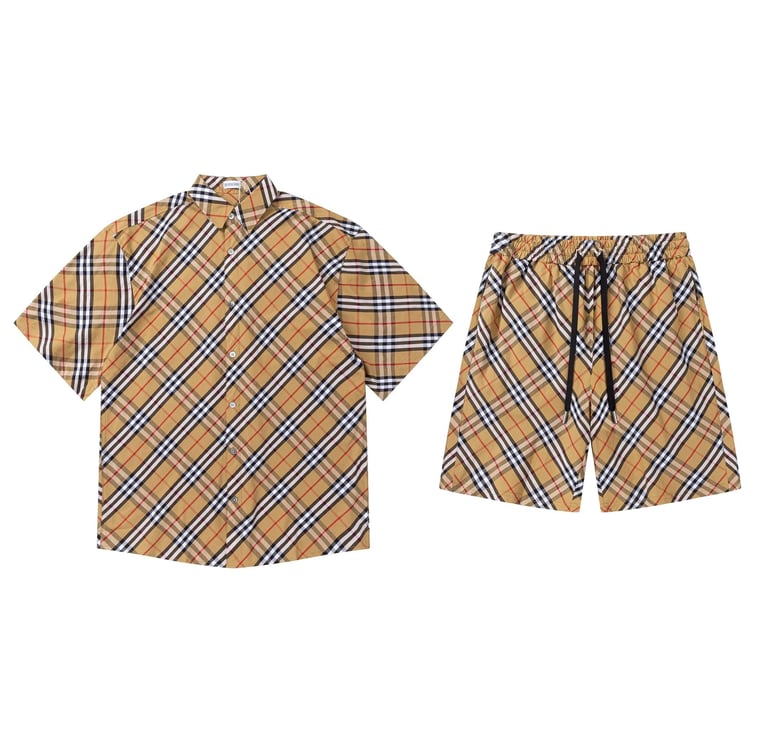
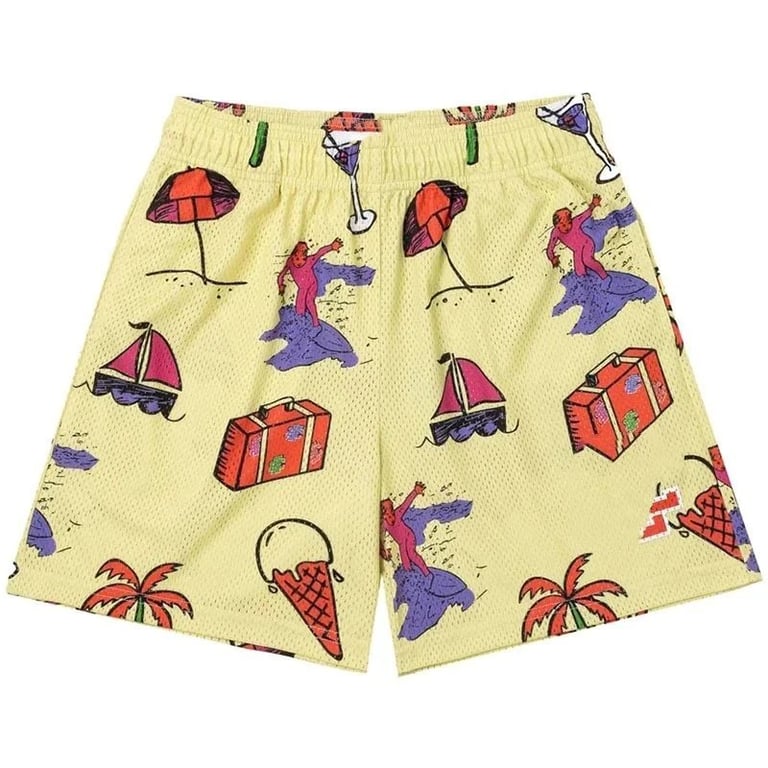
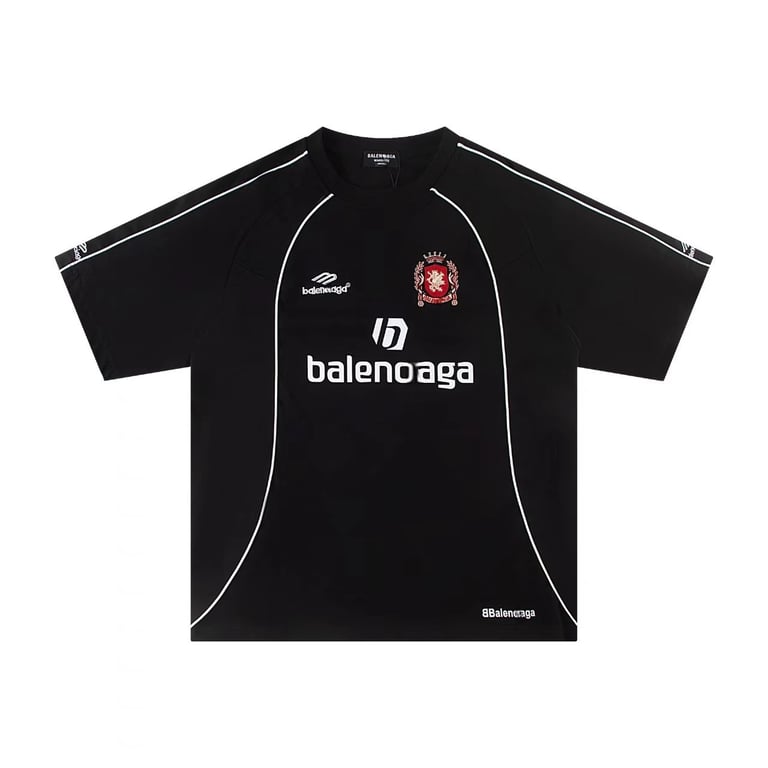



How to find trending products using CNshopper spreadsheet
In cross-border ecommerce, identifying trending products early is one of the most important factors that determines whether a seller captures profit or enters a saturated market too late. Trends move quickly across platforms, especially when driven by short video content, influencer marketing, and fast supplier replication. However, most sellers still rely on manual browsing, which often results in delayed decisions and missed opportunities.
The Cnshopper spreadsheet is designed to solve this problem by structuring product data into an organized system that highlights emerging demand patterns across suppliers. Instead of searching randomly across platforms, users can rely on structured trend signals embedded inside spreadsheet entries to identify products with rising potential.
This article explains how to find trending products using the Cnshopper spreadsheet, focusing on practical detection logic and sourcing interpretation.
Understanding what “trending products” really mean in CNshopper system
In traditional ecommerce thinking, a trending product is usually defined by sales volume or social media visibility. However, in the Cnshopper spreadsheet system, trending products are identified earlier—before mass-market saturation occurs.
A trending product in this system typically shows:
Rapid appearance across multiple supplier listings
Increasing variation in design, color, or function
Category clustering within a short time frame
Repeated updates or re-entries in supplier datasets
These signals indicate that suppliers are reacting to rising demand expectations, which usually happens before full consumer awareness peaks.
This makes the spreadsheet a predictive discovery tool rather than a simple catalog.
Step 1: Observing repetition signals across suppliers
One of the strongest indicators of a trending product in the Cnshopper spreadsheet is repetition.
When multiple suppliers independently list similar products, it suggests:
The product is gaining attention in the supply chain
Demand expectations are increasing
Manufacturers are copying or adapting successful designs
Repetition is especially important because it reflects supply-side confirmation rather than consumer-side speculation.
For example, if multiple factories begin listing similar storage tools or apparel styles, it usually indicates early trend formation.
Step 2: Tracking variation expansion speed
Another key signal is how quickly product variations expand.
Inside the Cnshopper spreadsheet, trending products often show:
New colors added rapidly
Multiple design versions appearing within short timeframes
Expansion into different use cases or subcategories
Bundled or upgraded versions introduced quickly
Fast variation growth usually means suppliers are trying to capture different market segments before competition intensifies.
This behavior is one of the most reliable indicators of emerging trends.
Step 3: Identifying category clustering patterns
Trending products rarely appear alone. Instead, they form clusters within specific categories.
The Cnshopper spreadsheet highlights this through grouped product entries such as:
Multiple similar kitchen tools appearing in short intervals
Repeated fashion styles within a single aesthetic direction
Similar gadgets emerging within utility product categories
Category clustering indicates that an entire product direction is gaining momentum, not just a single item.
This helps users shift from isolated product thinking to category-level trend recognition.
Step 4: Monitoring update frequency signals
The spreadsheet system also tracks how frequently products reappear or are updated.
High update frequency often means:
Suppliers are actively adjusting pricing or listings
New variations are continuously being introduced
Products are being tested across different sourcing channels
Frequent updates usually indicate an active product lifecycle, which is a strong sign of trend development.
Products that remain static for long periods are less likely to be emerging trends.
Step 5: Validating trend potential with Bbdbuy links integration
While the Cnshopper spreadsheet helps identify early trend signals, validation is essential before sourcing decisions are made.
Through integrated access paths (such as Bbdbuy-style links in the system), users can:
Confirm real-time availability of products
Check actual supplier pricing
Review full variation structures
Validate whether trend signals match real supply conditions
This step ensures that identified trends are not just structural signals but also operationally viable products.
Step 6: Combining multiple signals for accurate trend detection
No single indicator is enough to confirm a trending product. The strength of the Cnshopper spreadsheet lies in combining multiple signals:
A strong trending product typically shows:
Supplier repetition
Fast variation expansion
Category clustering
Frequent updates
When these signals appear together, the probability of a true market trend is significantly higher.
This multi-signal approach reduces false positives and improves sourcing accuracy.
Common mistakes when identifying trending products
Many users misinterpret early signals and make incorrect sourcing decisions.
Common mistakes include:
Assuming viral-looking products are already trending in supply chains
Ignoring repetition across suppliers
Overreacting to isolated product spikes
Failing to validate through supplier access
Treating short-term hype as long-term opportunity
Avoiding these mistakes is essential for accurate trend identification.
Practical workflow for using CNshopper spreadsheet
A structured workflow includes:
Scan product entries in Cnshopper spreadsheet
Identify repetition across suppliers
Analyze variation expansion speed
Observe category clustering behavior
Monitor update frequency signals
Combine all indicators for confirmation
Validate via supplier access links
This workflow helps users systematically identify emerging trends instead of relying on intuition.
Conclusion
The Cnshopper spreadsheet provides a structured system for identifying trending products by analyzing supplier-side signals such as repetition, variation growth, category clustering, and update frequency. Instead of relying on external hype signals, it focuses on early supply-chain indicators.
When combined with supplier validation links, it becomes a powerful tool for early-stage product discovery, allowing users to enter trends before they reach mainstream saturation.
In fast-moving ecommerce markets, early detection is the difference between high-margin opportunity and late-stage competition.


CNshopper links guide for accessing viral ecommerce items
In modern cross-border ecommerce, viral products often spread faster than traditional supply chains can respond. A product can go from unknown to globally demanded within days, driven by short video platforms, influencer exposure, and rapid replication by multiple suppliers. The challenge for sellers is not only identifying viral items, but accessing them quickly enough at the supplier level before competition intensifies.
The Cnshopper links system is designed to solve this speed gap by providing direct access pathways from product discovery to supplier-level validation. Instead of relying on delayed search results or fragmented platform browsing, users can instantly open supplier environments tied to viral products listed inside the Cnshopper spreadsheet.
This article explains how to use Cnshopper links to access viral ecommerce items efficiently, focusing on navigation logic, sourcing flow, and real-time validation methods.
Understanding viral ecommerce items in the Cnshopper system
In the Cnshopper ecosystem, viral ecommerce items are not defined only by social media popularity. Instead, they are identified through early supply-chain and listing behavior signals.
A viral item typically shows:
Rapid duplication across multiple suppliers
Sudden spikes in variation expansion (colors, styles, bundles)
Appearance across multiple categories or listings
Fast pricing adjustments within short timeframes
These signals suggest that suppliers are reacting to rising external demand, often before the product becomes widely saturated in retail channels.
The Cnshopper links system allows users to move from these signals directly into supplier environments where real product conditions can be evaluated.
Step 1: Locating viral products inside Cnshopper spreadsheet
The process begins inside the Cnshopper spreadsheet, where products are organized with structured sourcing data.
Users typically identify viral candidates through:
Repeated product appearances across entries
High-frequency listing updates
Expanding product variation sets
Clustered category emergence
These indicators help narrow down products that are in early or active viral phases.
However, spreadsheet-level data alone does not confirm real availability or pricing conditions, which is where Cnshopper links become essential.
Step 2: Using Cnshopper links for direct supplier access
Once a potential viral item is identified, Cnshopper links provide direct entry into supplier environments.
Instead of searching manually across platforms, users can:
Open exact supplier product pages instantly
Access full variation catalogs without intermediate navigation
View live pricing and inventory conditions
Explore related products within the same supplier ecosystem
This direct access significantly reduces the time between discovery and validation.
Speed is critical because viral products often have short competitive windows before saturation occurs.
Step 3: Validating viral demand through supplier behavior
Not all viral signals translate into sustainable sourcing opportunities. Some products trend temporarily without stable supply structures.
Through Cnshopper links, users can validate:
Whether multiple suppliers consistently list the same item
Whether pricing is stable or rapidly fluctuating
Whether variations are continuously expanding
Whether stock levels support ongoing demand
This validation step ensures that users are not reacting to short-lived hype but to structurally supported demand trends.
Step 4: Comparing supplier responsiveness for viral items
A key advantage of Cnshopper links is the ability to compare how different suppliers respond to viral demand.
Users can evaluate:
Which suppliers update listings faster
Which suppliers offer better pricing stability
Which suppliers provide broader variation coverage
Which suppliers maintain consistent stock availability
Suppliers that react quickly to viral trends often indicate stronger manufacturing agility, which is valuable for fast-moving ecommerce strategies.
Step 5: Reducing latency between discovery and sourcing
One of the biggest risks in viral product sourcing is latency—the delay between identifying a trend and securing supply.
The Cnshopper links system minimizes this delay by:
Removing manual search steps
Enabling one-click access to supplier pages
Eliminating platform switching during validation
Streamlining comparison across multiple sources
This reduction in friction helps sellers act within the narrow window when viral products are still profitable.
Step 6: Integrating spreadsheet signals with link-based execution
The real power of the system comes from combining structured data with direct access.
The Cnshopper spreadsheet provides:
Early detection of viral product signals
Category clustering and repetition patterns
Variation growth tracking
The Cnshopper links provide:
Instant supplier-level access
Real-time pricing verification
Inventory and variation validation
Together, they create a two-layer system:
Signal detection layer (spreadsheet)
Execution and validation layer (links)
This structure allows users to move from insight to action without delay.
Common mistakes when accessing viral products
Many users fail to capitalize on viral opportunities due to inefficient workflows:
Relying only on social media trends without supplier validation
Delaying access after identifying a viral product
Ignoring supplier-level variation differences
Failing to compare multiple sources through links
Treating viral products as stable long-term items
Avoiding these mistakes is essential for effective viral sourcing strategies.
Practical workflow for using Cnshopper links
A structured workflow includes:
Identify potential viral products in Cnshopper spreadsheet
Analyze repetition and variation signals
Select high-potential candidates
Open supplier pages via Cnshopper links
Validate pricing, stock, and variations
Compare multiple suppliers
Execute sourcing decisions quickly
This workflow ensures both speed and accuracy in viral product access.
Conclusion
The Cnshopper links system improves access to viral ecommerce items by connecting structured product signals with direct supplier environments. Instead of relying on delayed discovery or fragmented browsing, users can instantly validate and act on viral opportunities.
When combined with the Cnshopper spreadsheet, it forms a complete discovery-to-execution pipeline that is optimized for speed, accuracy, and real-time market responsiveness.
In viral ecommerce, timing is everything—and this system is built specifically to minimize delay between trend detection and sourcing action.